Sheet metal fabrication is an important process that involves bending and shaping the metal to give the sheet the desired shape. This process is used in almost all industries to make various products. It can be used to make all complex hollow shapes and parts. In Melbourne, sheet metal fabrications use a wide variety of devices, from simple equipment to sophisticated electric automated machinery. If the desired product is complex, it is made into parts and then assembled together. The process basically starts with cutting. Heavy rolls of sheet metal in Melbourne are cut into thin layers free of hand scissors or laser cutters with the help of cutting tools, while electric scissors are used for heavy gauge materials. The next process involves punching, which means making a hole in the metal article with a suitable device and then removing the excess metal around the finished part. Creating another type of deprived shapes. Folding and bending are two common processes used to shape a sheet. Presses or similar machines are used in methods such as grooving, stamping, crimping, and beds. They are mainly used to harden and shape metal to make pipe, tube and circular shaped parts. Bending and folding are used to make angles and parts. A process called coiling is used to increase strength and provide a proper edge. A roll forming machine is used to make a circular or cylindrical shape such as a tube.
Capping and embossing are common press making techniques. Cupping refers to shaping the sheet to the desired shape (usually the final stage of construction) with the help of tools, while embossing refers to the purpose of a particular design used to reinforce the purpose. It can also be applied to semi-finished products. Other techniques include flinging, hardening, deep drawing, performance, flow shaping, and spinning, which are not commonly used. Field experts will deliver the desired product at a pocket-friendly price.
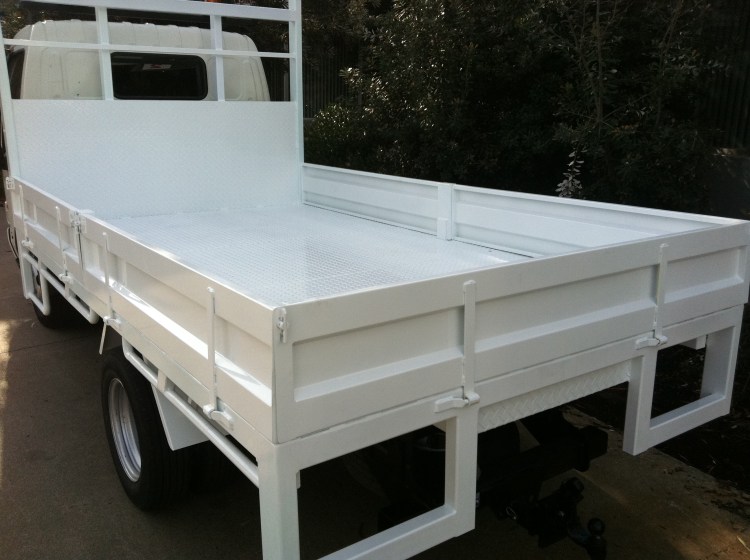
Melbourne has many standard raw materials at its disposal in metal fabrications that can reduce cycle times and workflows. This process involves the manufacture of metal parts, machinery, or components through construction, cutting, and other similar processes. This is an important process for practically all manufacturers.
Sheet metal fabrication in Melbourne is the process of forming a sheet of metal to the desired shape using various fabrication methods. Product completion usually involves several stages. From cutting and bending to surface treatment and assembling. Different types of fabrication techniques can be used to achieve similar results. But the final decision depends on the cost and needs.
Bulk metal production is cost effective
The metal is cost effective, especially when it is produced in large quantities. The nature of the cost of metal fabrication is recycling. Metal sheets come from measuring spare parts that are strung together to form a sheet. After that, these sheets are used as a raw material in the metal fabrication industry, to create new metal products. This makes the process highly cost effective.
 Steel Fabrication Melbourne